Featured AI Learning Paths
Sequenced cohorts combining lessons, active sandboxes, and multiple quizzes with final certifications.
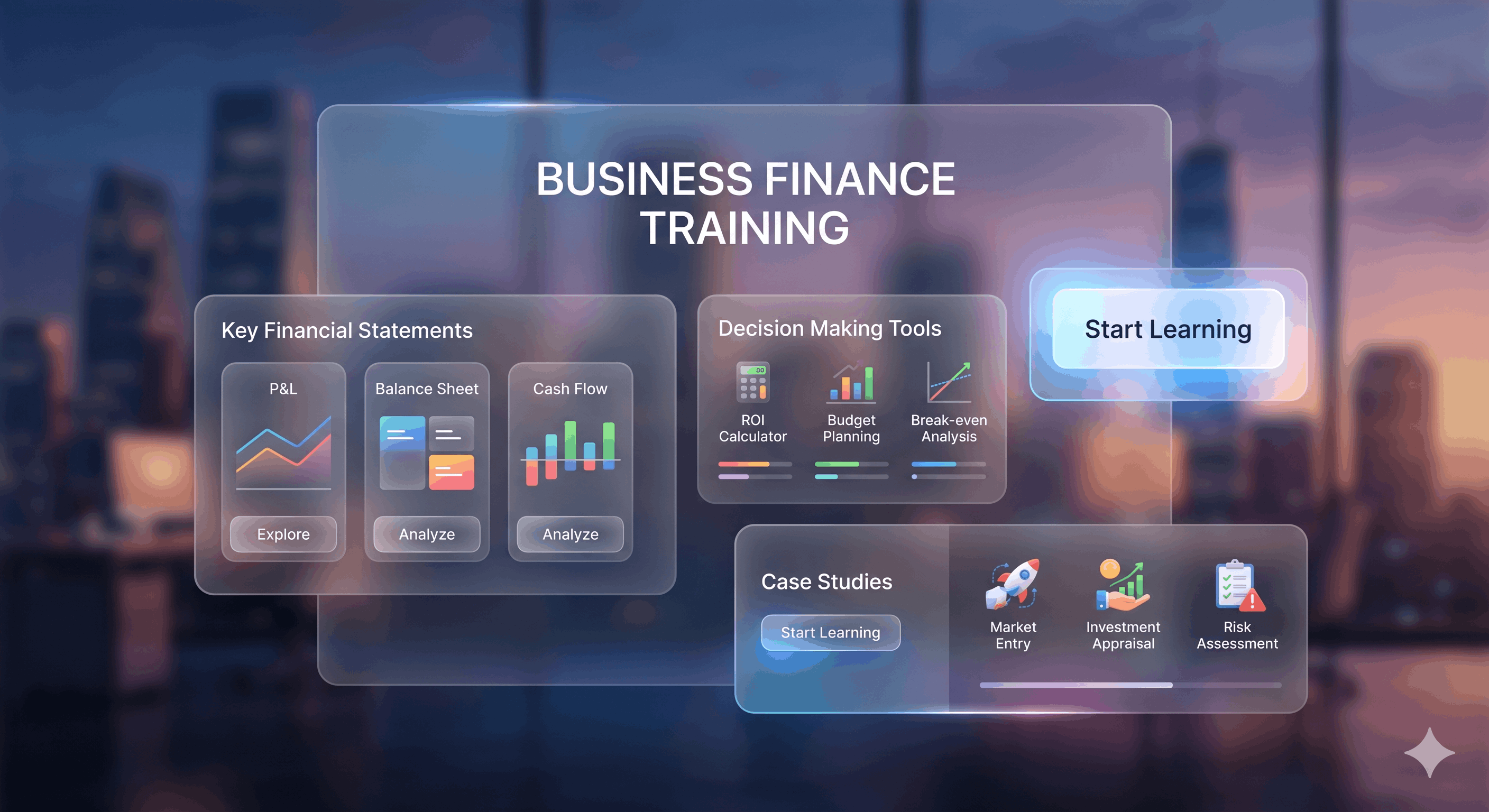
Business Finance for Non-Financial Managers
Financial Foundations
SA K53 Learners License Curricula
K53 Master Class AI Tutor Edition

how do i start as a sale rep
**Master the core sales skills every rep needs to start strong and close your first deals.** This course is built for absolute beginners who want to understand the language and mechanics of sales before diving into the field. You'll learn the essential building blocks: what a sales pipeline is, how to research prospects, how to write outreach messages, and how to handle objections with confidence. No prior experience or fancy tools are required—just a willingness to learn. We'll break down the typical sales process from lead generation to closing, and you'll practice each stage through simple exercises. By the end, you'll be able to explain the role of a sales rep in any organization, identify the key metrics that matter, and walk into your first sales conversation knowing exactly what to say and do. You'll leave with a personal action plan to continue building your skills. If you've ever felt lost about where to start, this course gives you a clear, structured roadmap. You'll finish with a solid foundation and the confidence to take the next step toward a career in sales. **Run your own simulated sales campaign from prospecting to closing and measure your results.** This course transforms your learning into a real-world project: building and executing a complete sales campaign from scratch, even if it's just a practice run. You'll choose a product or service, research your target market, create a prospect list, and craft a full outreach sequence. Then you'll run a simulated sales cycle, including negotiating and closing, while tracking your performance in a simple dashboard. We'll cover case studies from successful startups and experienced reps to show you the thinking behind great sales strategy. You'll learn how to set goals, measure conversion rates, and analyze what worked and what didn't. This project-based approach means you're not just absorbing information—you're creating a portfolio piece you can show to hiring managers as proof of your skills. By the end, you'll have a completed sales campaign you can discuss confidently in interviews, plus a deeper understanding of the entire sales process. For learners who want to demonstrate initiative and critical thinking, this course offers the most engaging and results-oriented path into the world of sales.
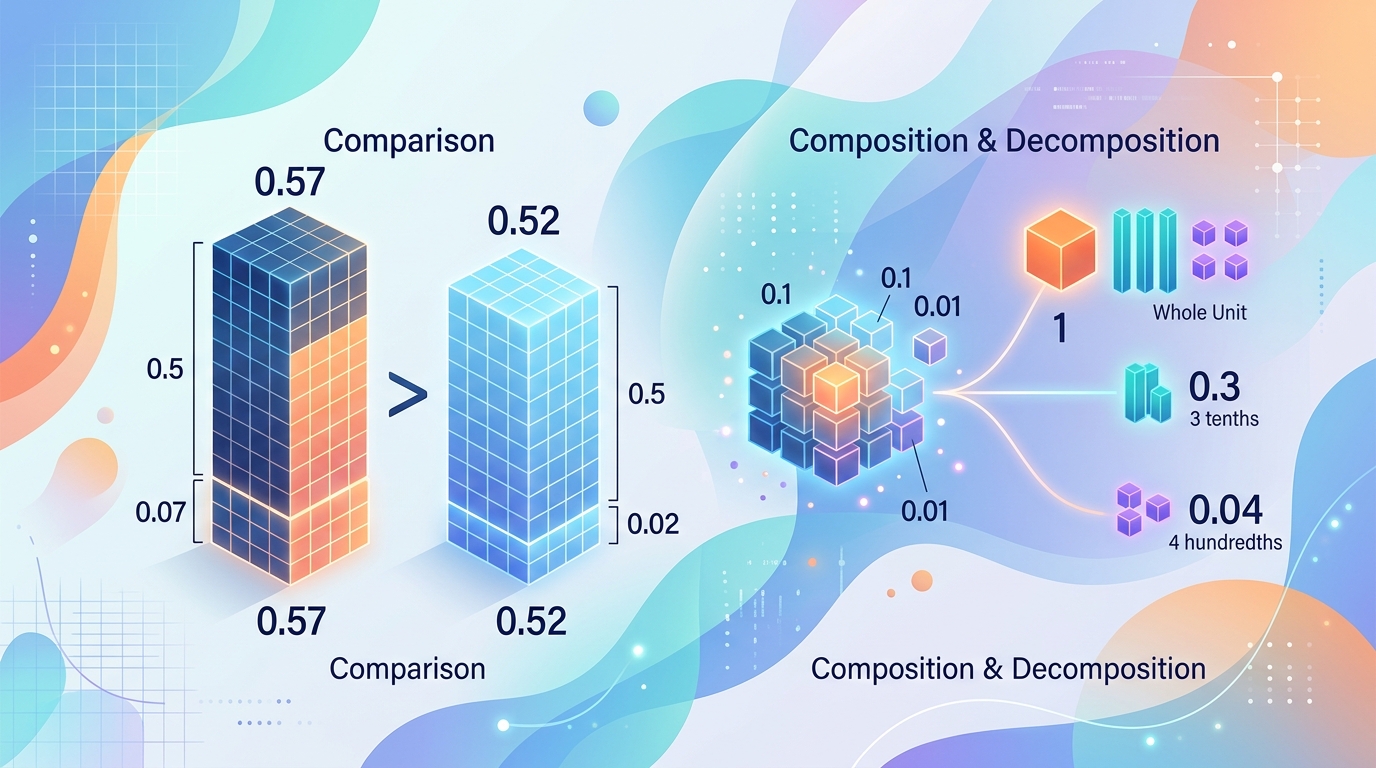
Mathematics Decimals
I want to compare decimals and compose with decomposing decimals

Learn IsiZulu
**Speak IsiZulu from day one in real conversations, not just vocabulary drills.** This course is for anyone who wants to actually use IsiZulu in daily life—whether you are traveling to South Africa, making friends, or simply love learning languages the practical way. You will skip the grammar-heavy theory and instead learn high-frequency phrases, greetings, questions, and responses you can immediately apply in restaurants, taxis, markets, and social gatherings. Each lesson centers on a real-life scenario, such as introducing yourself, ordering food, asking for directions, or chatting about the weather. You will practice listening and speaking through audio prompts and role-play exercises that mimic authentic interactions. By the end, you will confidently hold simple conversations, understand common expressions, and respond naturally to native speakers without freezing up. Outcomes include the ability to greet and exchange pleasantries, give and ask for basic personal information, handle everyday transactions, and follow the gist of slower-paced conversations. The focus is on fluency and confidence, not perfection, so you will build a strong spoken foundation that makes further learning easier. **Master the foundations of IsiZulu for academic study and advanced language learning.** This rigorous, structured course is ideal for students, educators, or language enthusiasts who want a solid academic grounding in IsiZulu. It follows a systematic progression from the alphabet and sounds to noun classes, concordial agreement, verb conjugation, and sentence construction. You will build a strong grammatical framework that supports future advanced study or research. Each unit includes clear explanations, written exercises, and reading passages that reinforce the patterns. You will learn to distinguish the five vowel sounds, master click consonants, and understand the all-important noun class system that governs the language. Regular quizzes and translation tasks ensure you can apply the rules with accuracy, not just recognize them. By the completion, you will be able to read and write short paragraphs, construct grammatically correct sentences across different tenses, and recognize the roots of complex words. You will also gain a working vocabulary of over 800 high-frequency terms. This course is your first step toward academic proficiency or preparing for formal language examinations.
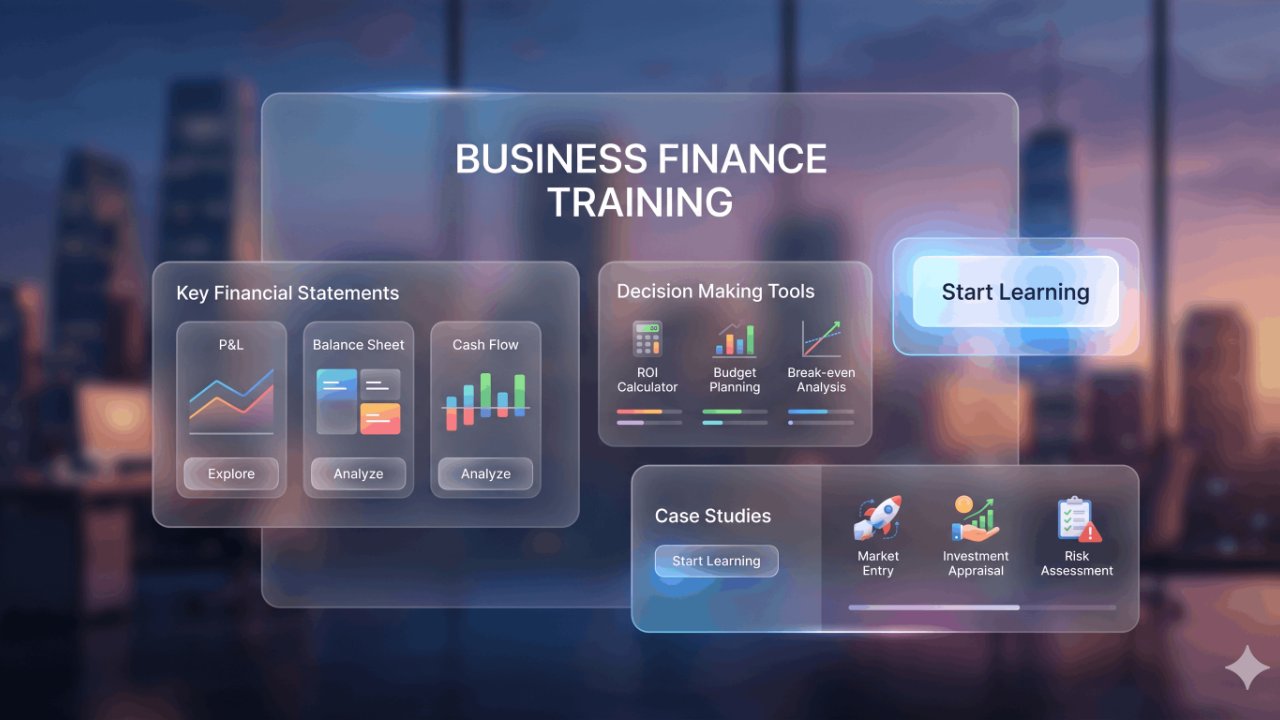
Financial Foundations for Business
Financial Foundations for Business What is Financial Management: Financial management is about understanding how money moves in your business and using that understanding to make better decisions every day. It is not about complex accounting—it is about knowing what you earn, what you spend, and what is left. This helps you stay in control instead of reacting when problems arise. Revenue, Costs, and Profit: Revenue is the money coming into your business, costs are what you spend to operate, and profit is what remains after all expenses are paid. Understanding these three clearly helps you see whether your business is actually making money or just staying busy without real financial gain. Difference Between Cash and Profit Profit is what your business earns on paper, but cash is what you actually have in the bank. Many businesses fail even when profitable because they run out of cash. Learning this difference helps you avoid situations where you cannot pay suppliers, staff, or expenses on time Key Financial Terms: This section introduces simple financial language used in everyday business, such as expenses, margins, turnover, and overheads. Understanding these terms helps you communicate better with accountants, funders, and partners, while also giving you confidence to interpret reports and make decisions without feeling lost or overwhelmed.
Saica Certificate Accounting Technician: SAQA ID 77143 | 06 Professional Ethics In Accounting & Finance
This qualification is aimed at building capacity in accounting technicians to enable them to produce and record reliable financial information.
Saica Certificate Accounting Technician: SAQA ID 77143 | 04 Cost and Revenues II
This qualification is aimed at building capacity in accounting technicians to enable them to produce and record reliable financial information.
Saica Certificate Accounting Technician: SAQA ID 77143 | 05 Indirect Tax
This qualification is aimed at building capacity in accounting technicians to enable them to produce and record reliable financial information.
Saica Certificate Accounting Technician: SAQA ID 77143 | 03 Cash Management
This qualification is aimed at building capacity in accounting technicians to enable them to produce and record reliable financial information.
Saica Certificate Accounting Technician: SAQA ID 77143 | 04 Cost and Revenues
This qualification is aimed at building capacity in accounting technicians to enable them to produce and record reliable financial information.
Saica Certificate Accounting Technician: SAQA ID 77143 | 02 Accounts Preparation II
This qualification is aimed at building capacity in accounting technicians to enable them to produce and record reliable financial information.
Saica Certificate Accounting Technician: SAQA ID 77143 | 01 Accounts Preparation I
This qualification is aimed at building capacity in accounting technicians to enable them to produce and record reliable financial information.
Siaca Certificate Accounting Technician: SAQA ID 77143 | 05 Computerised Accounting
This qualification is aimed at building capacity in accounting technicians within the public sector.